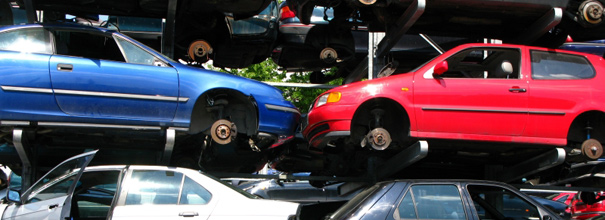
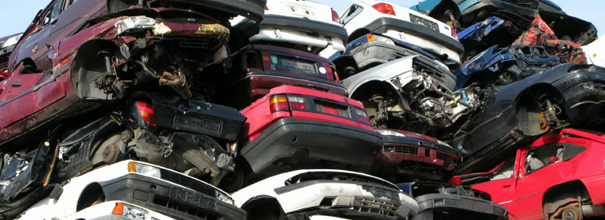
The End of Live Vehicles (ELV) Directive (2000/53/EC) aims to reduce the amount of waste from ELV’s. In particular it:
- Restricts the use of certain heavy metals in new vehicles from 1 July 2003.
- Introduces a “Certificate of Destruction” for scrapped vehicles.
- Requires producers to mark certain vehicle components to aid recycling.
- Requires producers to make available dismantling information in respect of new vehicles.
- States that producers must provide free take back for vehicles put on the market from 1 July 2002, should such vehicles have a negative value when scrapped.
- Requires that ELV can only be scrapped (‘treated’) by authorised treatment facilities, which must meet tightened environmental standards.
C L Prosser can handle a range of vehicles at the Dockside Road site and invites potential partnering opportunities with local authorities and car sales companies. For more information please contact us.
![]()
The Waste Electrical and Electronic Equipment (WEEE) Directive, agreed on 13th February 2003, along with the related Directive on Restrictions of the use of certain Hazardous Substances in electrical and electronic equipment (RoHs).
This legislation aims to minimise the impact of electrical and electronic equipment on the environment during their lifetime and when they become waste. It applies to a huge spectrum of products. It encourages and sets criteria for the collection, treatment, recycling and recovery of waste electrical and electronic equipment. It makes producers responsible for financing most of these activities (producer responsibility). Private householders are to be able to return WEEE without charge.
C L Prosser is able to handle most streams of WEEE.